The Dos and Don'ts of Growing Panicle Hydrangeas
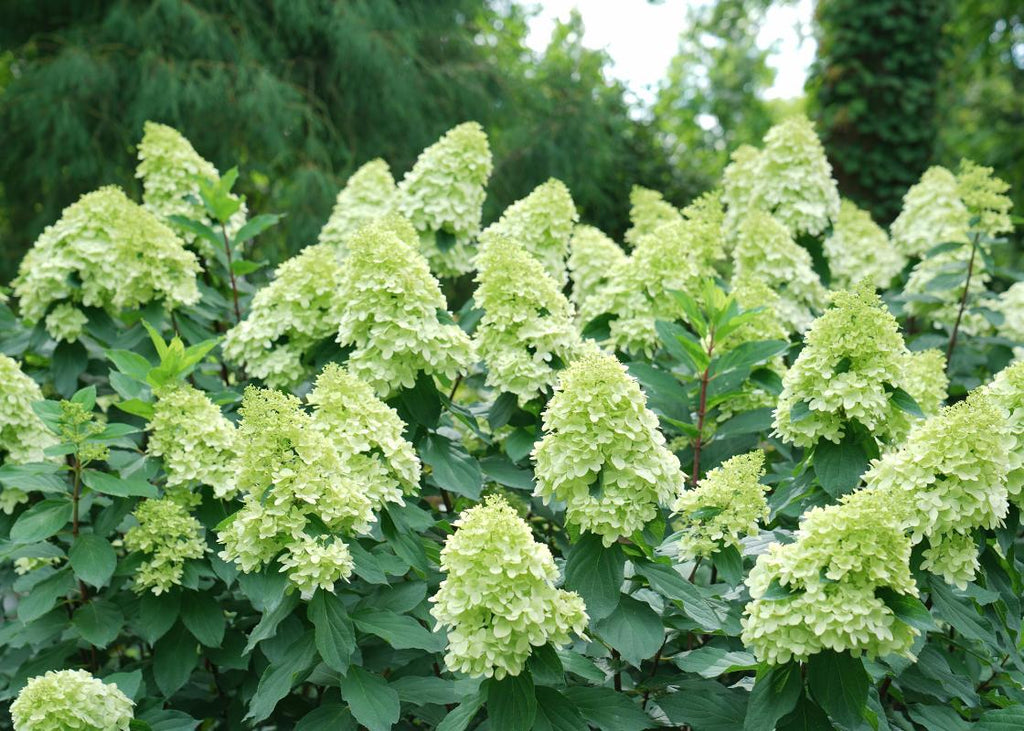
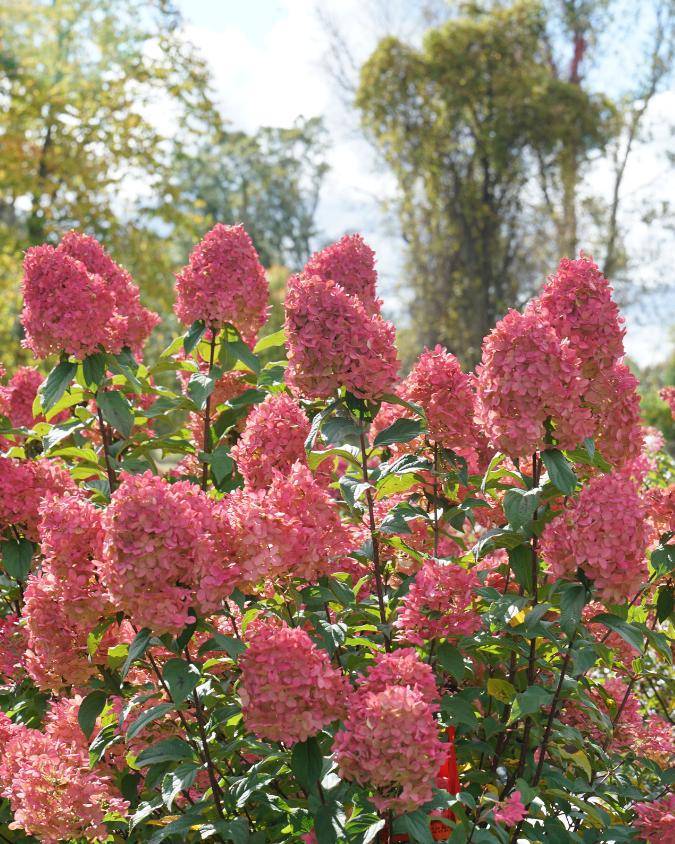
Panicle hydrangea (Hydrangea paniculata), otherwise known as peegee hydrangea, is a popular hydrangea known for its large and in charge cone-shaped flower panicles that change color throughout the season. This hydrangea is excellent for beginner gardeners and looks fabulous as a cut flower in both summer and fall. What's not to love about this superstar shrub? While panicle hydrangeas are relatively low-maintenance, there are a few things to keep in mind during the growing season to keep your shrubs vibrant and healthy. Here, we'll discuss the planting dos and don'ts for panicle hydrangeas and offer growing tips to keep this popular shrub flowering all summer long.
Do plant in a sunny location. ✅
Panicle hydrangeas need ample sunlight per day to grow, so choose your location wisely! Gardeners in colder climates (zones 4-6) can reliably plant panicle hydrangeas in full sun (6+ hours of sun). While gardeners in warmer climates (zones 7 and warmer) should plant in part-sun environments (4-6 hours of sun) with afternoon shade.
Do mulch in the beginning of spring. ✅
Adding shredded bark mulch to the base of your panicle hydrangeas in spring will insulate the relatively shallow roots and help the shrub conserve moisture throughout the growing season. You can also opt for pine straw or compost mulch, but avoid all rock mulches.
Do water at least once a week. ✅
All hydrangeas are water-loving shrubs, and they need adequate moisture throughout the season to keep their fabulous flowers and foliage. Watering once a week is essential, but panicle hydrangeas require 1-3 waterings per week during the hot summer months. Keep a close eye on your hydrangeas for any water stress, and feel the soil. If the soil feels dry a few inches beneath the surface, it's time to water; if it feels moist, wait a few more days.
Don't plant in shady spots with soggy soil. ❌
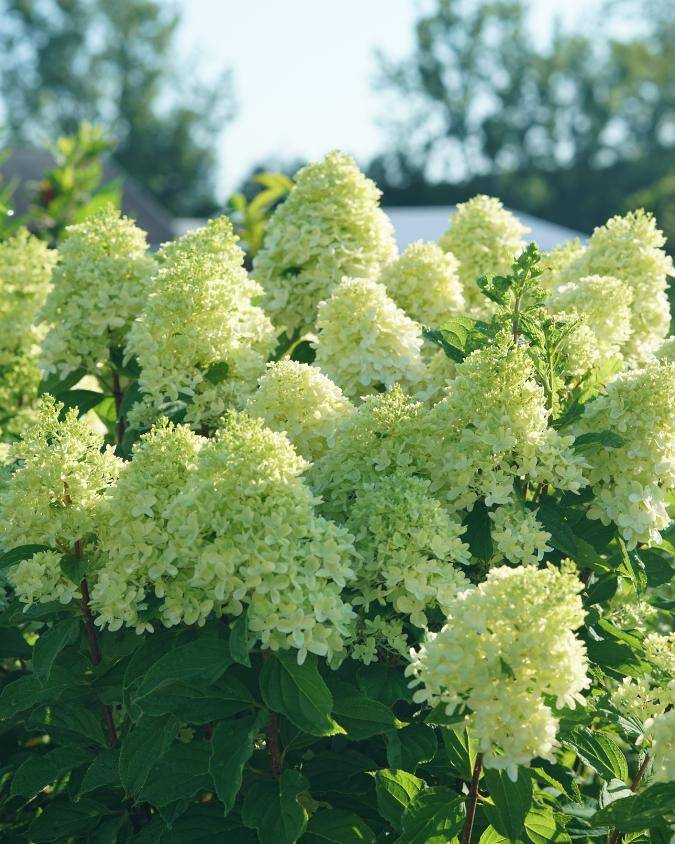
Panicle hydrangeas won't reach their full flowering potential when planted in shade gardens (less than 4 hours of sun per day). While they are water-loving shrubs, they also run the risk of becoming waterlogged when planted in overly moist soils, such as in bogs, rain gardens, or woodland gardens.
Don't fertilize at the end of summer. ❌
It's important to stop fertilizing your panicle hydrangeas at the end of summer and wait until the next spring/growing season. This is because late season fertilizing can cause new tender growth to emerge, which could be destroyed by cold temperatures or a frost.
Don't cut back late fall. ❌
For hydrangeas that bloom on new wood, like panicle hydrangeas, flower buds are produced on new growth during the current year, so pruning is considered optimal in late winter or early spring before the new flower buds have formed to encourage more vigorous growth in the current year. Plus, the dried hydrangea flowers look amazing left standing in a winter landscape! Learn more about pruning different types of hydrangeas in our blog: When Should I Prune My Hydrangeas? [Guide]